
Benefits of Seeds: Nutrition, Health Benefits & Best Seeds to Eat Daily
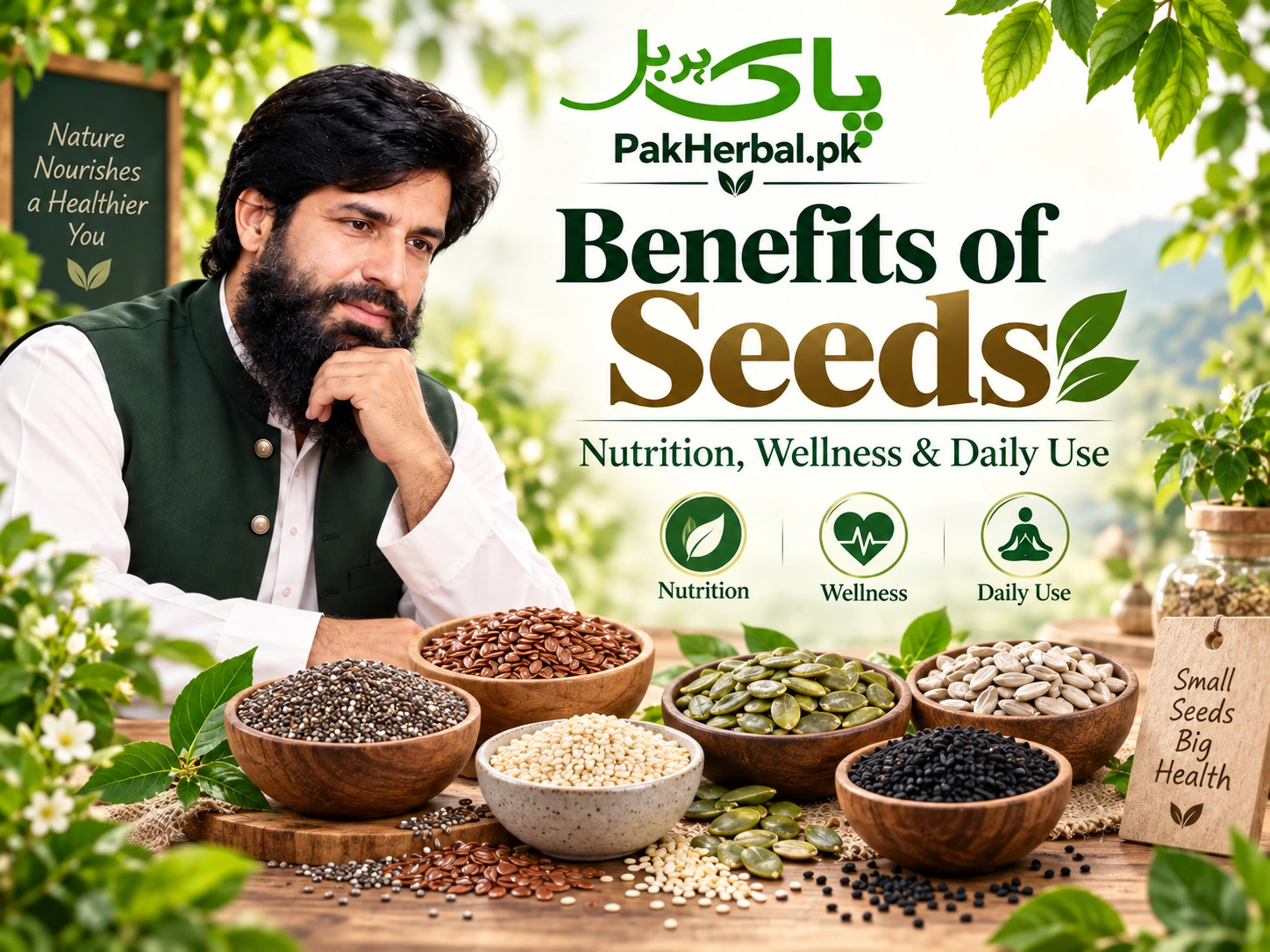
Seeds may be small in size, but they can provide an impressive combination of nutrients. Understanding the benefits of seeds can help you add more variety, fiber, healthy fats, plant-based protein, vitamins and minerals to a balanced daily diet.
From chia and flax seeds to pumpkin, sunflower and sesame seeds, different varieties offer different nutritional qualities. Instead of considering any single seed a miracle food, it is more useful to enjoy a variety of seeds as part of an overall healthy eating pattern.
Why Are Seeds Considered Nutritious?
Many edible seeds naturally contain a combination of:
- Dietary fiber
- Plant-based protein
- Unsaturated fats
- Vitamins
- Minerals
- Antioxidant plant compounds
Because their nutrient profiles vary, eating different types of seeds can provide a wider variety of nutrients.
Seeds are also convenient. They can be sprinkled over yogurt, oatmeal and salads, blended into smoothies, mixed into homemade foods or eaten in small portions as part of meals and snacks.
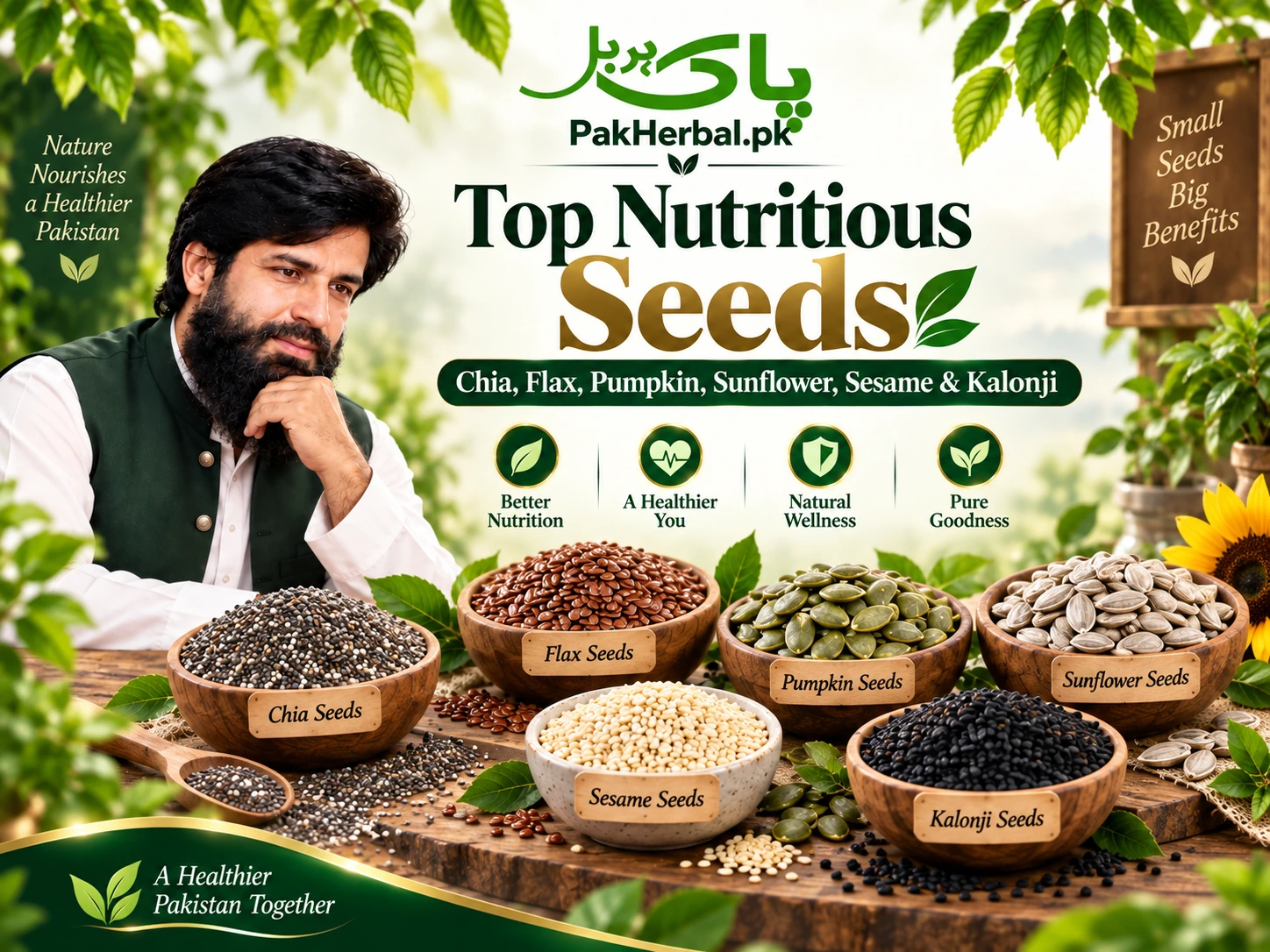
1. Chia Seeds
Chia seeds are among the most popular nutritious seeds used today. They contain dietary fiber, plant protein and healthy fats, including the plant-based omega-3 fatty acid alpha-linolenic acid (ALA).
Chia seeds absorb water and develop a gel-like texture. This makes them useful in chia pudding, smoothies, yogurt and breakfast bowls.
Nutritional Highlights of Chia Seeds
- High in dietary fiber
- Provide plant-based omega-3 fats
- Contain protein
- Provide minerals such as magnesium and calcium
- Easy to include in many foods
A small quantity can add meaningful fiber to the diet, so people who are not accustomed to high-fiber foods may prefer to increase their intake gradually.
2. Flax Seeds – Alsi
Flax seeds, commonly known as Alsi, are another useful plant source of fiber and ALA omega-3 fatty acids.
Whole flax seeds can sometimes pass through the digestive system without being completely broken down, which is why ground flaxseed is commonly used when adding it to meals.
Ground flaxseed can be mixed into:
- Oatmeal
- Yogurt
- Smoothies
- Homemade bread
- Roti flour
- Breakfast cereals
Flax seeds are particularly useful for people looking to add more plant-derived fiber and healthy fats to their meals.
3. Pumpkin Seeds
Pumpkin seeds are a nutrient-dense food containing protein, healthy fats and several important minerals.
They are particularly notable as a food source of magnesium. Magnesium contributes to many normal processes in the human body, including muscle and nerve function and energy metabolism.
Pumpkin seeds can be enjoyed plain, lightly roasted or added to salads, breakfast bowls and homemade seed mixtures.
Pumpkin Seeds May Provide
- Plant protein
- Magnesium
- Healthy fats
- Fiber
- Other naturally occurring minerals
Unsalted or lightly salted options can be preferable when you are trying to keep overall sodium intake under control.
بیج ہماری روزمرہ غذا میں کیسے شامل کیے جا سکتے ہیں؟
مختلف اقسام کے بیج مثلاً چیا سیڈز، السی، کدو کے بیج، سورج مکھی کے بیج اور تل مناسب مقدار میں روزمرہ غذا کا حصہ بنائے جا سکتے ہیں۔ انہیں دہی، دلیے، سلاد، اسموتھی یا دوسری گھریلو غذاؤں میں شامل کرنا آسان ہے۔ تاہم کسی ایک بیج کو ہر بیماری کا علاج سمجھنے کے بجائے متوازن غذا، مناسب مقدار اور اپنی انفرادی صحت کی ضروریات کو مدِنظر رکھنا زیادہ بہتر ہے۔ اگر کسی شخص کو کوئی خاص بیماری، الرجی یا مستقل ادویات کا استعمال ہو تو غذائی تبدیلی سے پہلے متعلقہ ماہر سے مشورہ کرنا مناسب ہے۔
4. Sunflower Seeds
Sunflower seeds contain healthy unsaturated fats, protein and several micronutrients. They are also an especially useful dietary source of vitamin E.
Vitamin E is an antioxidant nutrient involved in protecting cells from oxidative damage and supporting normal body functions.
Sunflower seeds can be eaten as a snack or added to:
- Salads
- Breakfast cereals
- Homemade granola
- Yogurt
- Baked foods
When purchasing packaged sunflower seeds, checking for excessive salt, sugar or flavored coatings can help you choose a simpler option.
5. Sesame Seeds – Til
Sesame seeds, or Til, have been used in traditional foods for generations.
They provide healthy fats, some protein and a variety of minerals. Sesame seeds are commonly used in breads, chutneys, sweets, tahini and traditional dishes.
Black and white sesame varieties can both be incorporated into meals depending on taste and recipe.
Because sesame is also a known food allergen for some people, anyone with a sesame allergy should avoid it completely.
6. Black Seeds – Kalonji
Black seeds, commonly known as Kalonji, are traditionally used in many Pakistani and South Asian foods.
They add a strong aroma and characteristic flavor to bread, pickles, curries and other foods.
Kalonji is also widely discussed in traditional wellness systems. However, traditional use should not be confused with established treatment for a medical condition. For everyday use, it is best considered a culinary seed unless a qualified healthcare professional recommends otherwise.
Major Benefits of Including Seeds in a Balanced Diet
Fiber for Digestive Health
Many seeds contain dietary fiber. Fiber contributes to normal digestive function and can help add bulk to the diet.
Chia and flax seeds are particularly useful when the goal is to increase dietary fiber.
Healthy Unsaturated Fats
Seeds commonly contain mono- and polyunsaturated fats.
Replacing foods high in saturated fats with suitable sources of unsaturated fats can be part of a heart-conscious eating pattern.
Plant-Based Protein
Seeds can contribute additional plant protein to meals.
They should not necessarily be viewed as a complete replacement for all other protein sources, but they can complement legumes, dairy foods, eggs, fish, meat or other plant-based foods depending on an individual's diet.
Vitamins and Minerals
Different seeds contain different micronutrients. For example:
- Pumpkin seeds are a useful source of magnesium.
- Sunflower seeds are rich in vitamin E.
- Chia seeds contain magnesium and calcium.
- Sesame seeds provide a range of minerals.
- Flax and chia provide ALA omega-3 fats.
This is one reason variety is preferable to relying on a single type of seed.
How Much Seeds Should You Eat?
Seeds are nutrient-dense, but they are also relatively calorie-dense because of their natural fat content.
For most healthy eating patterns, a modest serving is usually more practical than consuming large quantities.
You can start with approximately one or two tablespoons of a seed or a small mixed portion and adjust according to your overall diet, energy needs and professional dietary guidance.
People increasing chia or flax consumption should also maintain adequate fluid intake because these seeds contain substantial fiber and absorb water.
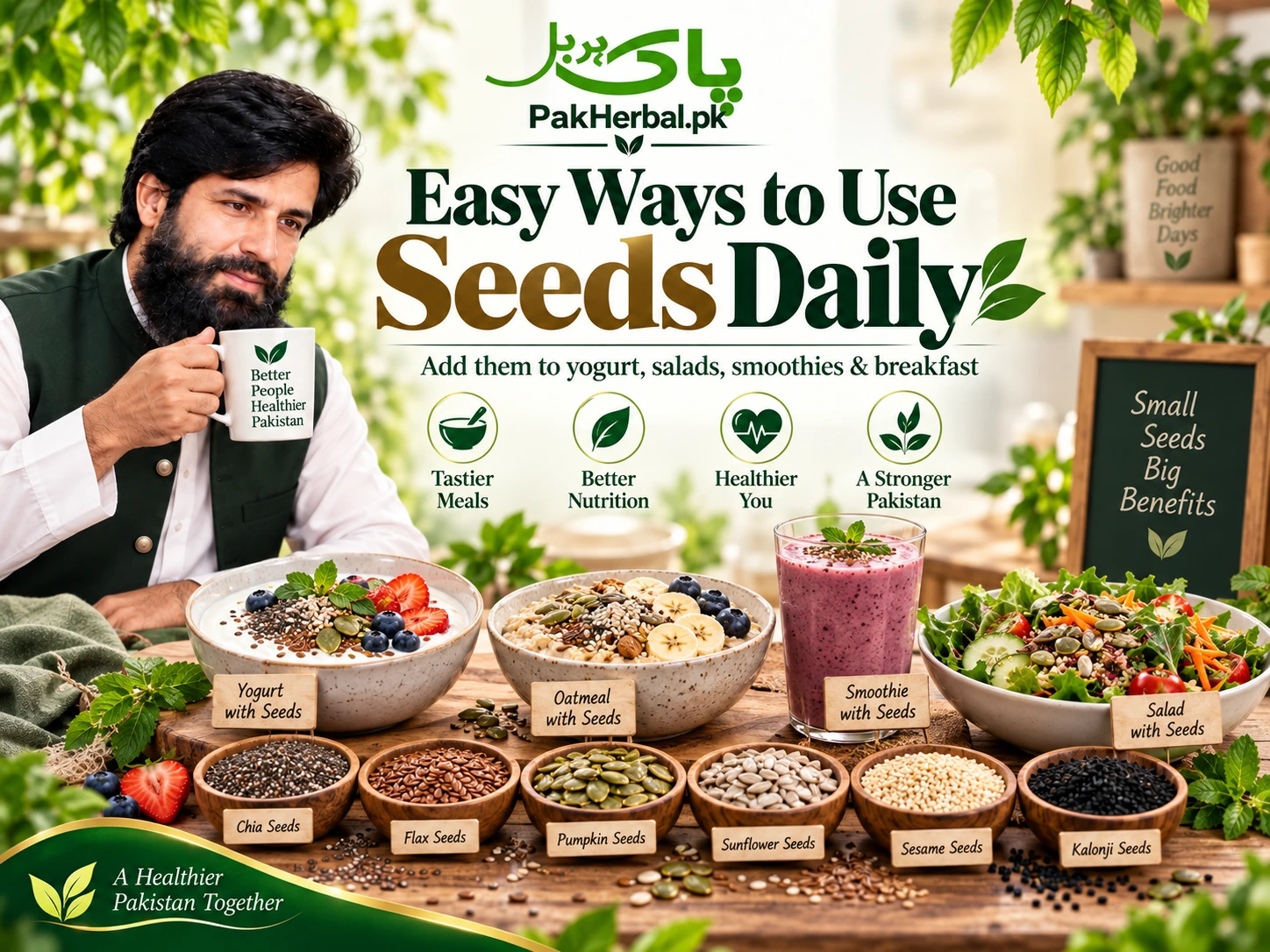
Easy Ways to Add Seeds to Your Daily Diet
- Add chia seeds to yogurt or oatmeal.
- Mix ground flaxseed into breakfast cereal.
- Sprinkle pumpkin seeds over salads.
- Add sunflower seeds to homemade granola.
- Use sesame seeds on bread or vegetables.
- Add a small amount of mixed seeds to smoothies.
- Prepare a homemade seed mix for convenient portions.
The goal is not to consume every seed every day. Rotating different seeds throughout the week can make your diet more varied and enjoyable.
Choosing Quality Seeds
When buying edible seeds, look for products that are:
- Clean and properly packed
- Free from visible moisture
- Stored in suitable conditions
- Clearly labeled
- Within their recommended storage period
Because seeds contain natural oils, poor storage may affect their freshness.
After opening, store them in a clean, dry, airtight container away from excessive heat, moisture and direct sunlight.
You can also explore PakHerbal's natural and herbal products for carefully selected traditional foods, seeds and herbal products available in Pakistan.
Are Seeds Suitable for Everyone?
Seeds can be part of a balanced diet for many people, but individual requirements vary.
Extra care may be needed if you:
- Have a known seed allergy
- Have difficulty swallowing
- Have been advised to follow a specific medical diet
- Take medicines that require dietary precautions
- Have a digestive condition affected by sudden changes in fiber intake
In these situations, personalized advice from a qualified doctor, dietitian or nutrition professional is preferable.
Frequently Asked Questions About the Benefits of Seeds
What are the healthiest seeds to eat?
There is no single seed that is best for everyone. Chia, flax, pumpkin, sunflower and sesame seeds each provide different nutrients. A varied diet is generally more useful than relying on one food.
Can I eat seeds every day?
Seeds can be eaten regularly as part of a balanced diet. Portion size matters because most seeds are nutrient- and calorie-dense.
Which seeds are high in omega-3?
Chia and flax seeds are well-known plant sources of alpha-linolenic acid, or ALA, a type of omega-3 fatty acid.
Which seeds provide magnesium?
Pumpkin seeds are particularly rich in magnesium. Chia seeds also provide a useful amount.
Which seeds are high in vitamin E?
Sunflower seeds are an excellent food source of vitamin E.
Should chia seeds be soaked before eating?
Chia seeds can be used in different ways. They absorb liquid and form a gel when soaked, which makes them particularly suitable for pudding, yogurt and beverages. Avoid swallowing large amounts of dry chia seeds followed separately by liquid.
Is Ground Flaxseed Better Than Whole Flaxseed?
Ground flaxseed is often easier to incorporate into foods and can make its nutrients more accessible than swallowing intact whole seeds.
Learn More About Nuts and Seeds
For additional evidence-based nutrition information, you can read this Harvard Health guide to nuts and seeds .
Final Thoughts
The benefits of seeds come primarily from their natural combination of fiber, healthy fats, plant-based protein, vitamins and minerals.
Chia, flax, pumpkin, sunflower, sesame and other seeds can all contribute something different to the diet. Rather than depending heavily on one variety, use small amounts of different seeds alongside vegetables, fruits, whole grains, legumes and suitable protein sources.
A balanced diet and healthy lifestyle remain more important than any individual “superfood.”
Important Disclaimer
Disclaimer: This article is provided for general educational and nutritional awareness only. It is not intended to diagnose, treat, cure or prevent any medical condition and should not replace advice from a qualified healthcare professional. People with allergies, medical conditions, pregnancy-related dietary requirements or ongoing medication should seek professional advice when making significant dietary changes.
Share
Related Posts

PakHerbal Hakeem Profile: اپنی مہارت سے پاکستان کو فائدہ پہنچائیں
PakHerbal Hakeem Profile کے ذریعے مستند حکیم اور نیوٹریشن ماہرین اپنی پیشہ ورانہ مہارت، قابلیت اور مشاورتی خدمات پاکستان بھر کے لوگوں تک پہنچا سکتے ہیں۔
Read More
حکیم محمد خالد رفیق — طبِ یونانی کی روایت، اعتماد کی پہچان
Discover Hakeem Muhammad Khalid Rafiq, an experienced Tibb-e-Unani practitioner in Haroonabad, his professional journey at Nayab Dar-ul-Shifa, and selected Naya...
Read More
Comments
No approved comments yet.