
Organic Foods in Pakistan: A Simple Guide to Better Everyday Eating
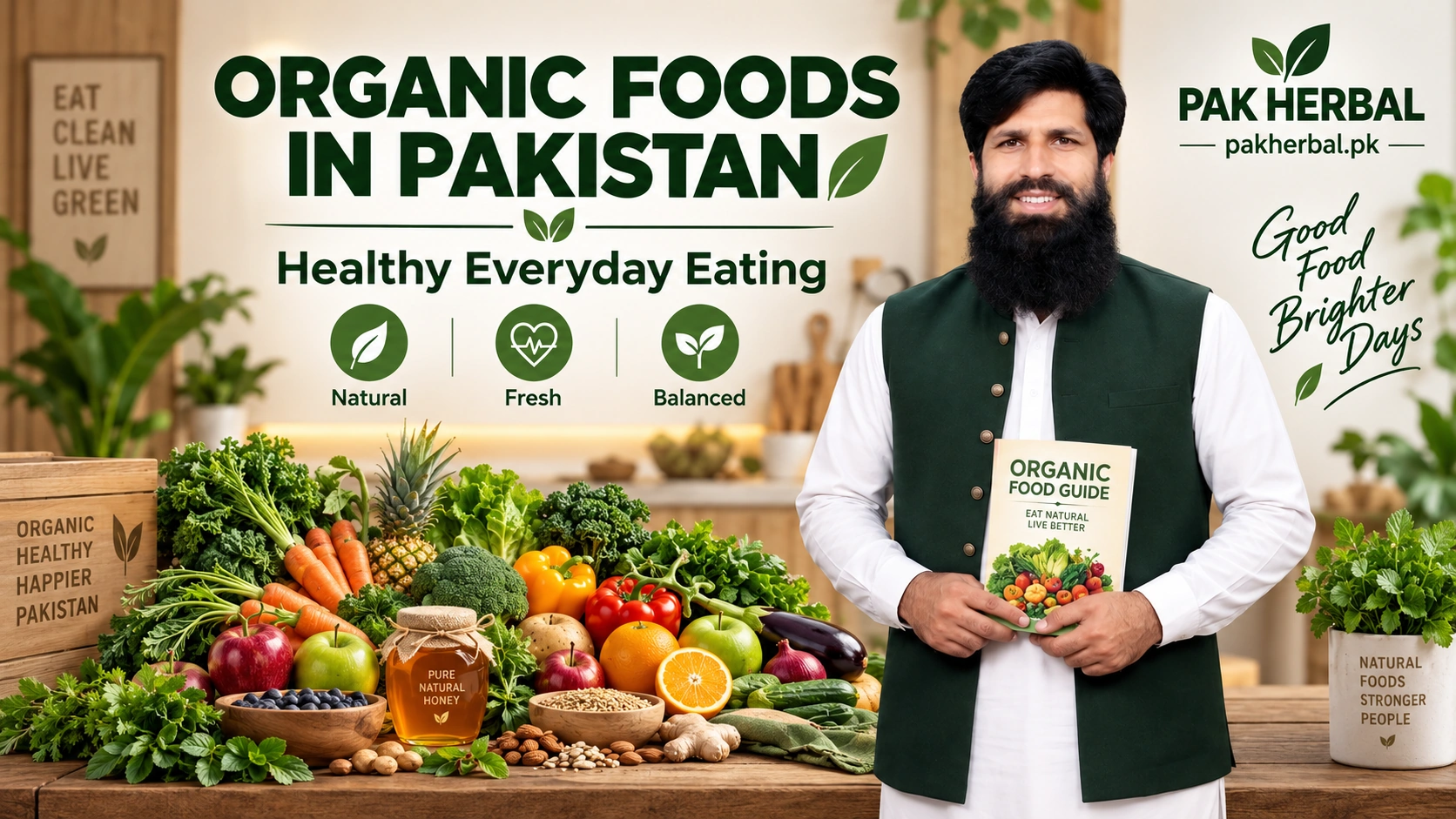
Organic Foods in Pakistan are becoming increasingly popular among people who want to pay closer attention to freshness, ingredients, food quality and the way agricultural products are produced.
Choosing organic food, however, does not mean that you need to replace everything in your kitchen overnight. A more practical approach is to understand what organic food means, learn how to identify good-quality products, and build an everyday eating pattern around vegetables, fruits, whole grains, pulses, seeds and other minimally processed foods.
What Does Organic Food Really Mean?
The term organic mainly describes how an agricultural product is produced. Organic farming systems generally focus on soil health, biodiversity, ecological processes and reducing dependence on many synthetic agricultural inputs.
This is an important distinction because the words natural and organic do not necessarily mean the same thing. A food may be simple, natural or minimally processed without automatically meeting a formal organic production or certification standard.
The Food and Agriculture Organization of the United Nations explains organic agriculture as a production system that promotes agro-ecosystem health, including biodiversity, biological cycles and soil biological activity. Readers who want to understand the agricultural principles in more detail can read the FAO guide to organic agriculture.
Organic Food Is Part of a Bigger Picture
No single vegetable, seed, grain or organic product can create good health on its own. The quality of your complete diet matters more than depending heavily on one so-called superfood.
A balanced eating pattern usually includes a variety of food groups, appropriate portions and enough water. Freshness, cleanliness, storage and overall food quality also remain important whether a food is organic or conventionally produced.
A balanced everyday diet may include:
- Fresh seasonal vegetables
- Whole fruits
- Whole grains
- Beans, lentils and pulses
- Nuts and edible seeds
- Suitable sources of protein
- Herbs and spices
- Adequate drinking water
How to Choose Organic Foods Carefully
The word “organic” on its own should not be the only factor behind a purchase. Good food selection also involves checking freshness, packaging, ingredients and reliable product information.
1. Check Freshness
Fresh vegetables, fruits, herbs and other foods should have a normal appearance, smell and texture. Avoid produce showing obvious spoilage, excessive moisture or damage.
2. Read the Ingredients
When buying packaged food, check the ingredient list instead of relying only on attractive front-label wording. A product containing excessive added sugar, salt or unnecessary additives does not automatically become a balanced food choice simply because one ingredient is described as organic.
3. Review the Product Information
A useful product listing should clearly explain what you are purchasing. Look for the product name, ingredients where applicable, quantity or weight, packaging details, storage instructions and seller information.
4. Look for Reliable Organic Claims
Organic standards and certification systems vary between markets. Where a seller makes a formal organic certification claim, consumers can look for clear information supporting that claim rather than assuming that words such as “natural,” “farm fresh” or “pure” automatically mean certified organic.
5. Store Foods Correctly
Seeds, grains, herbs and dry foods should generally be protected from moisture, excessive heat and direct sunlight. After opening, suitable clean and airtight containers can help maintain freshness and reduce contamination.
Organic Foods for Everyday Pakistani Meals
One advantage of a balanced natural-food approach is that it does not require complicated recipes. Many familiar ingredients can easily become part of everyday Pakistani meals.
Vegetables and Fresh Produce
Seasonal vegetables can form an important part of lunch and dinner. Instead of relying only on one vegetable, rotate leafy greens, carrots, tomatoes, cucumbers, gourds, peppers and other locally available produce.
Whole Grains and Pulses
Whole grains, beans and lentils can add variety, plant-based protein and dietary fiber to meals. Traditional foods such as dal, chana and whole-grain roti can fit naturally into a balanced eating pattern.
Seeds and Traditional Ingredients
Seeds such as chia, flax, sesame and Kalonji can be used in suitable amounts according to personal preference. Traditional ingredients including Methi Dana and fiber-rich foods such as Isabgol may also have a place in individual diets when used appropriately.
متوازن غذا کو بنیاد بنائیں
آرگینک اور قدرتی غذاؤں کو روزمرہ خوراک میں شامل کرنا ایک اچھا انتخاب ہو سکتا ہے، لیکن کسی ایک سبزی، بیج یا جڑی بوٹی کو مکمل صحت کا حل سمجھنا مناسب نہیں۔ بہتر طریقہ یہ ہے کہ سبزیاں، پھل، دالیں، اناج، مناسب مقدار میں بیج، پروٹین اور پانی کو متوازن انداز میں خوراک کا حصہ بنایا جائے۔ خریداری کرتے وقت تازگی، صفائی، پیکنگ، اجزاء اور پروڈکٹ کی درست معلومات کو بھی اہمیت دینی چاہیے۔
Build Your Pantry Gradually
You do not need to change your entire pantry at once. Gradual improvements are often easier to maintain.
You might begin by reviewing ingredients you already use regularly and replacing unsuitable or heavily processed choices with simpler alternatives where practical. This could include choosing better-quality seeds, grains, spices or other pantry foods.
You can also explore Organic Foods at PakHerbal to review the natural and traditional food products currently available on the store.
Fresh Food and Healthy Everyday Habits
Food choices work best as part of a wider healthy routine. Balanced meals, sensible portions, regular physical activity, enough sleep and appropriate hydration are all relevant to overall wellness.
This is why the goal should not be to search for one miracle food. A more useful approach is to develop consistent habits that are realistic enough to follow over the long term.
Simple habits to consider:
- Include vegetables with regular meals.
- Keep seasonal fruits available when practical.
- Choose whole or minimally processed foods more often.
- Use herbs and spices for natural flavour.
- Add seeds in sensible portions.
- Drink enough water throughout the day.
- Check packaged-food labels before buying.
- Keep dry foods properly sealed and stored.
Does Organic Automatically Mean More Nutritious?
Organic production and nutritional quality are related but separate questions. The word organic primarily tells you about a production method or standard; it does not mean that every organic food is automatically nutritionally superior to every non-organic alternative.
For example, an organic sweet or highly processed snack can still contain substantial sugar or calories. Likewise, fresh vegetables, fruit, pulses and whole grains remain valuable parts of a balanced diet regardless of the marketing language used on their packaging.
Organic Foods in Pakistan: What Should Buyers Look For?
When shopping for Organic Foods in Pakistan, focus on transparency rather than promotional words alone.
- Know exactly what product you are buying.
- Check the condition and freshness of the food.
- Review packaging and storage information.
- Read ingredients for processed products.
- Check quantity and weight before ordering.
- Look for relevant certification information when formal organic claims are made.
- Choose sellers who provide clear and accessible product information.
For online purchases, photographs are useful, but the accompanying written product details are equally important.
Frequently Asked Questions
Are organic and natural foods the same?
No. “Natural” is a broad term, while organic generally relates to defined production methods and, in formal systems, specific standards or certification requirements.
Do I need to eat only organic food?
No. A balanced diet does not require every item to be organic. Variety, nutritional quality, food safety and sensible portions remain important.
Can organic foods be part of daily meals?
Yes. Vegetables, fruits, grains, pulses, nuts and seeds can all be incorporated into normal meals depending on individual needs and preferences.
Should I buy a product only because it says organic?
No. Also consider freshness, ingredients, packaging, storage, product information and any relevant certification claim.
Final Thoughts
Organic Foods in Pakistan can form part of a thoughtful approach to everyday eating, but the strongest foundation remains a varied and balanced diet.
Choose foods carefully, read product information, prioritize freshness and quality, store foods correctly and avoid depending on exaggerated promises.
Better food choices are usually built through small, consistent decisions rather than extreme dietary changes.
Important Disclaimer
Disclaimer: This article is provided for general educational and nutritional awareness only. It is not intended to diagnose, treat, cure or prevent any medical condition and should not replace advice from a qualified healthcare professional or registered nutrition professional. Individual dietary requirements can vary, especially for people with allergies, medical conditions, pregnancy-related needs or ongoing medication.
Share
Related Posts
Benefits of Seeds: Nutrition, Health Benefits & Best Seeds to Eat Daily
Discover the benefits of seeds and learn how chia, flax, pumpkin, sunflower, sesame and other nutritious seeds can add fiber, healthy fats, protein, minerals an...
Read More
PakHerbal Hakeem Profile: اپنی مہارت سے پاکستان کو فائدہ پہنچائیں
PakHerbal Hakeem Profile کے ذریعے مستند حکیم اور نیوٹریشن ماہرین اپنی پیشہ ورانہ مہارت، قابلیت اور مشاورتی خدمات پاکستان بھر کے لوگوں تک پہنچا سکتے ہیں۔
Read More
حکیم محمد خالد رفیق — طبِ یونانی کی روایت، اعتماد کی پہچان
Discover Hakeem Muhammad Khalid Rafiq, an experienced Tibb-e-Unani practitioner in Haroonabad, his professional journey at Nayab Dar-ul-Shifa, and selected Naya...
Read More
Comments
No approved comments yet.